Welcome to the Midnight Isle, my
creative blog composed mainly of photography and digital imagery,
sometimes accompanied by write-ups, and occasional thoughts.
If you're also interested in other topics, I have an
aggregated blog
which combines articles from all my blogs.
It also provides the ability to filter on categories - for example, listing
entries tagged photography, but without manipulation
I'm divesting myself of unnecessary domains, and moving this blog from www.midnight-isle.net to midnight-isle.peterboughton.net
The new subdomain is active now, the blog software should be outputting it where relevant, and redirecting any URLs on the old domain accordingly.
The redirect will remain in place until late April (2026-04-29), at which point the old domain will start returning 410 Gone for all URLs, until the domain expires a month later (2026-05-29). Please update any bookmarks or subscriptions before then.
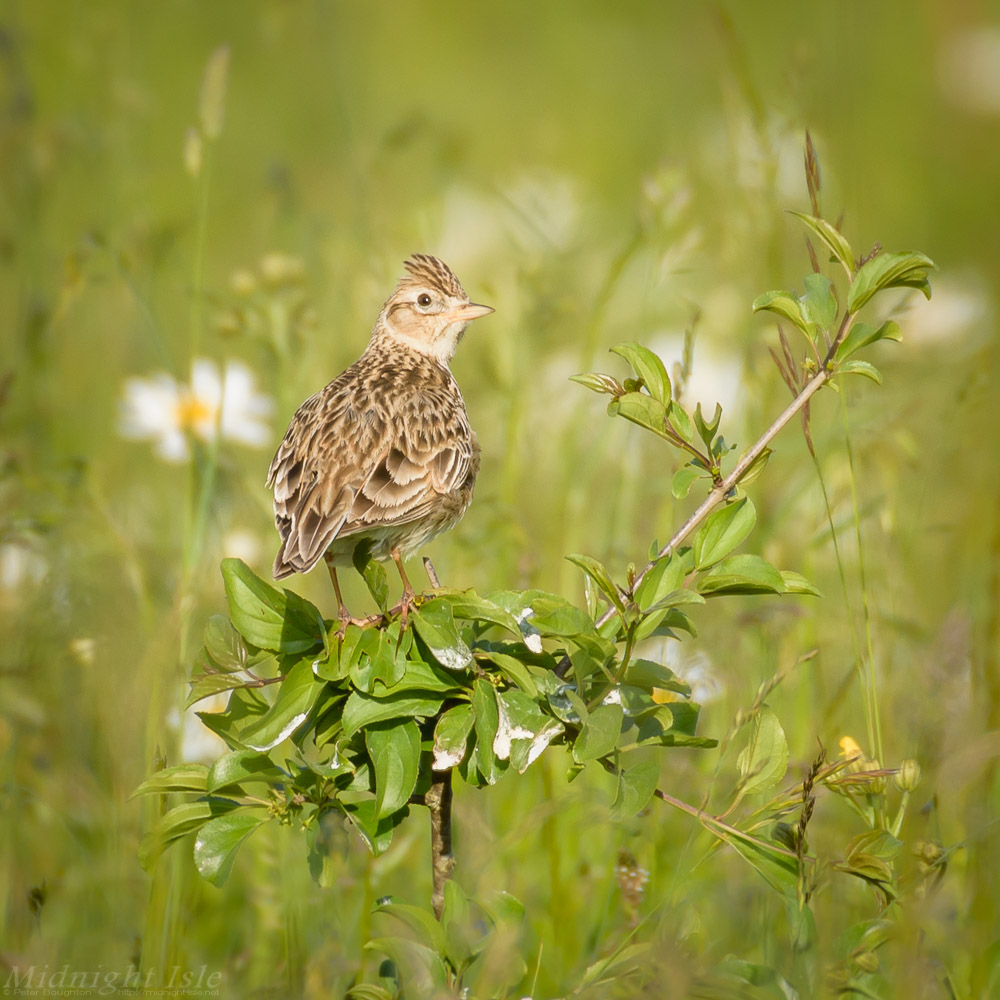
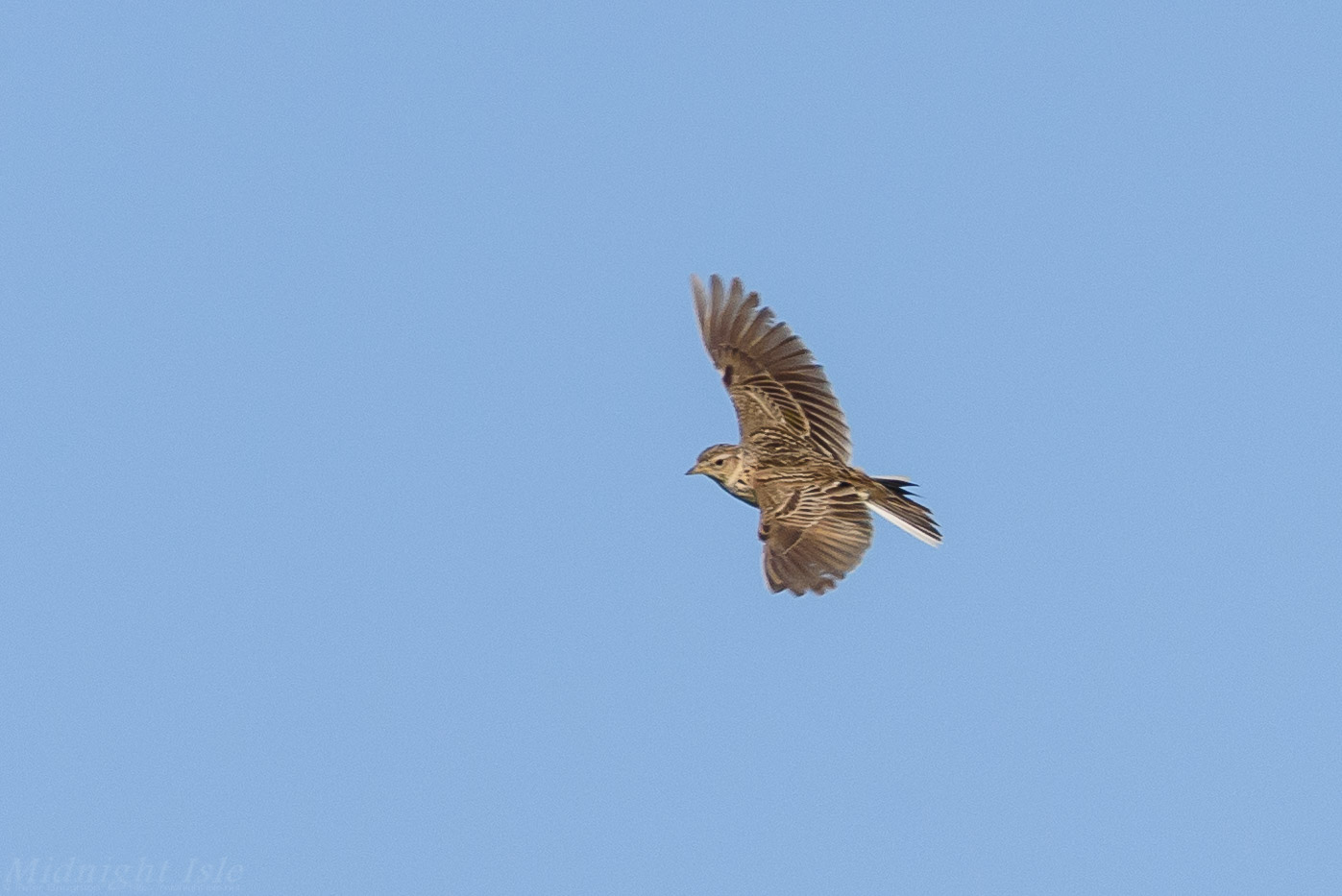
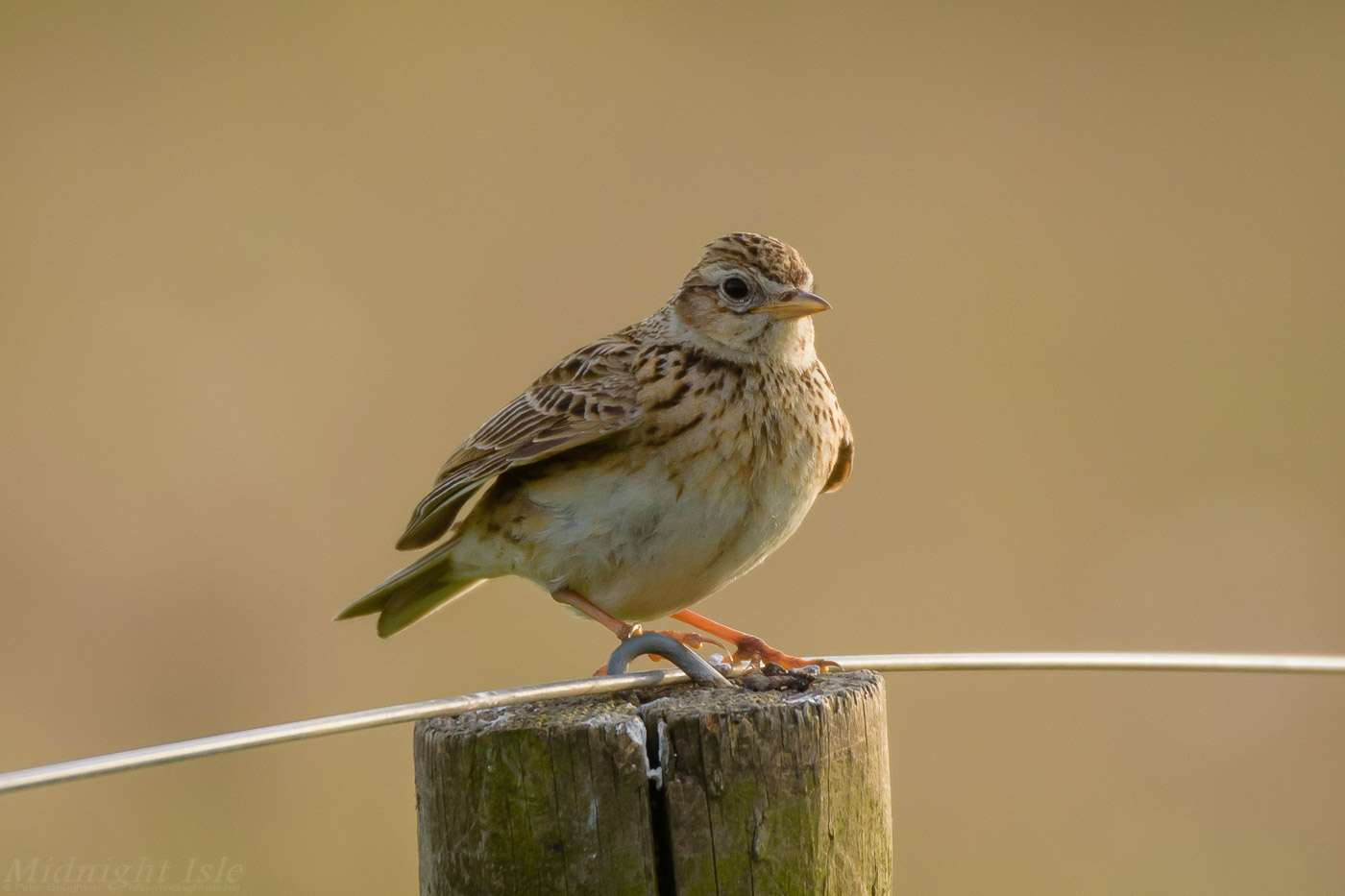
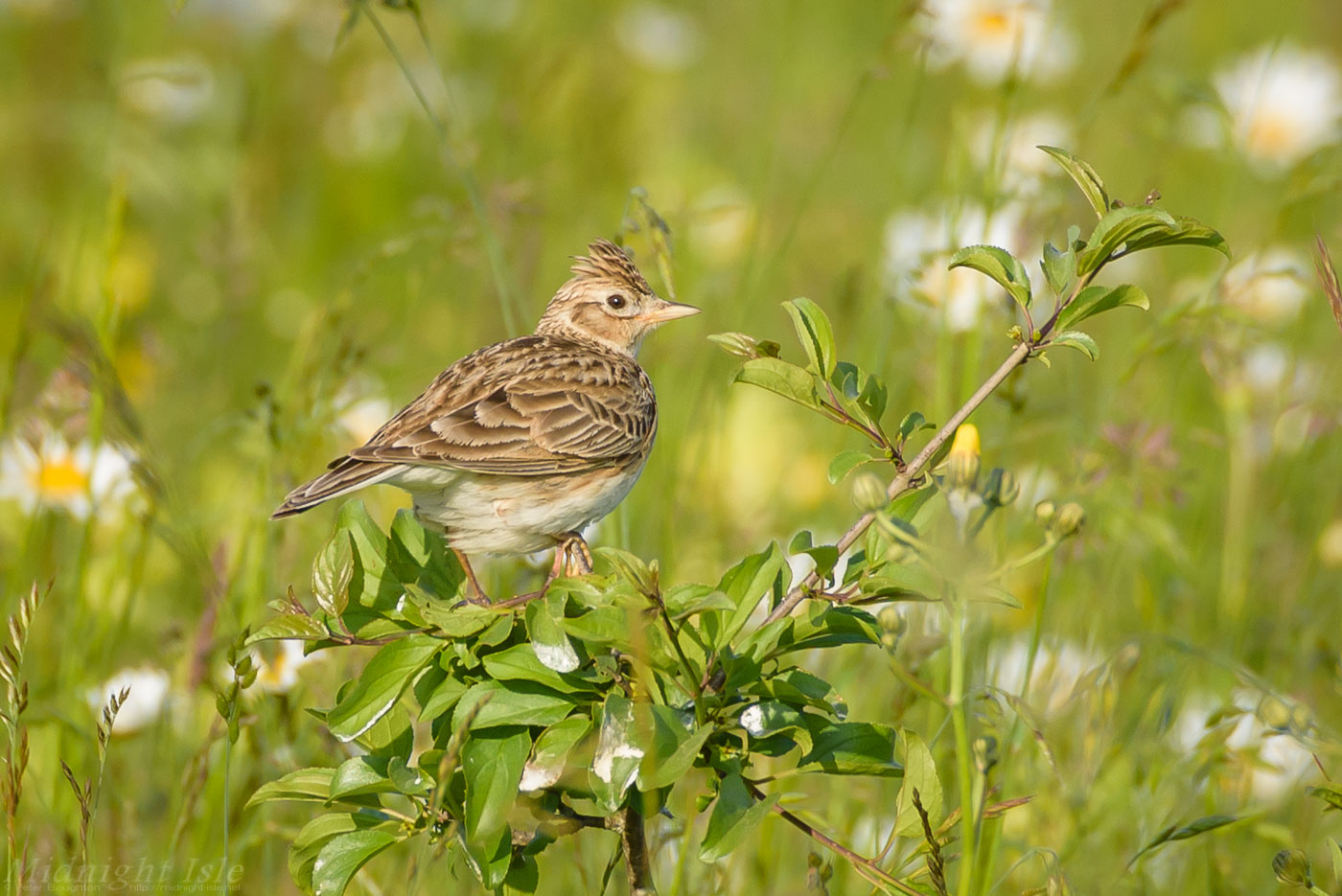
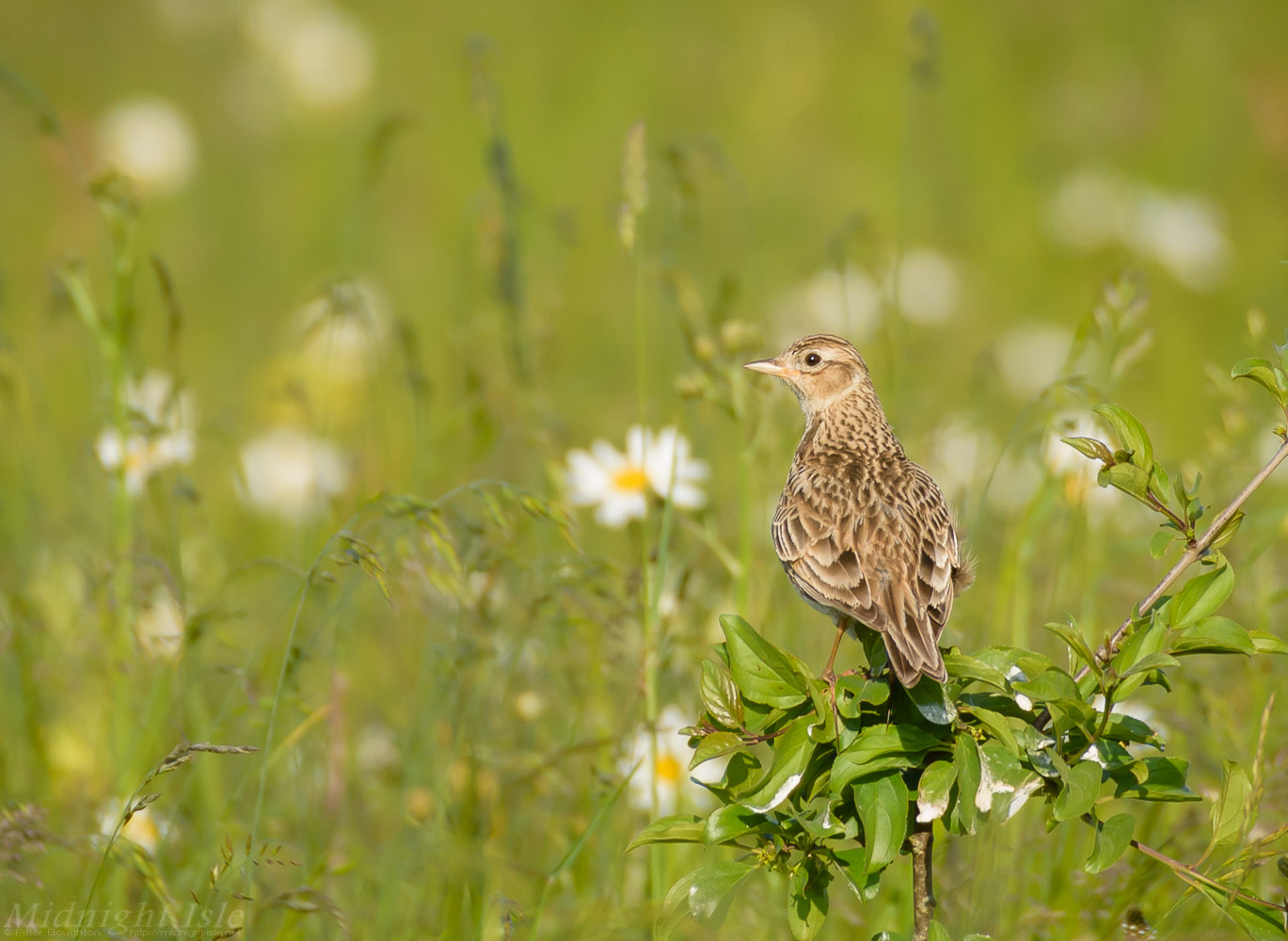
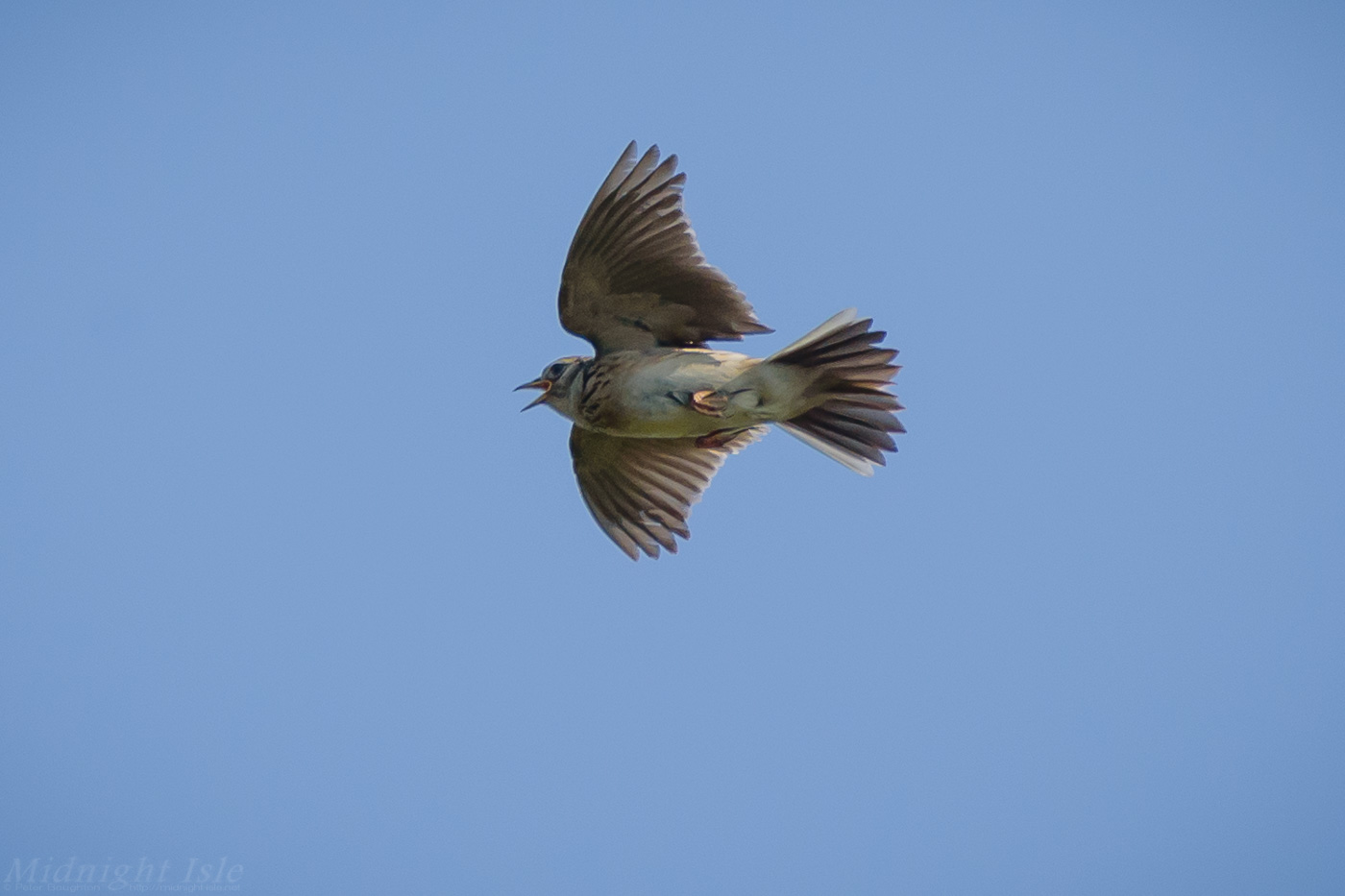
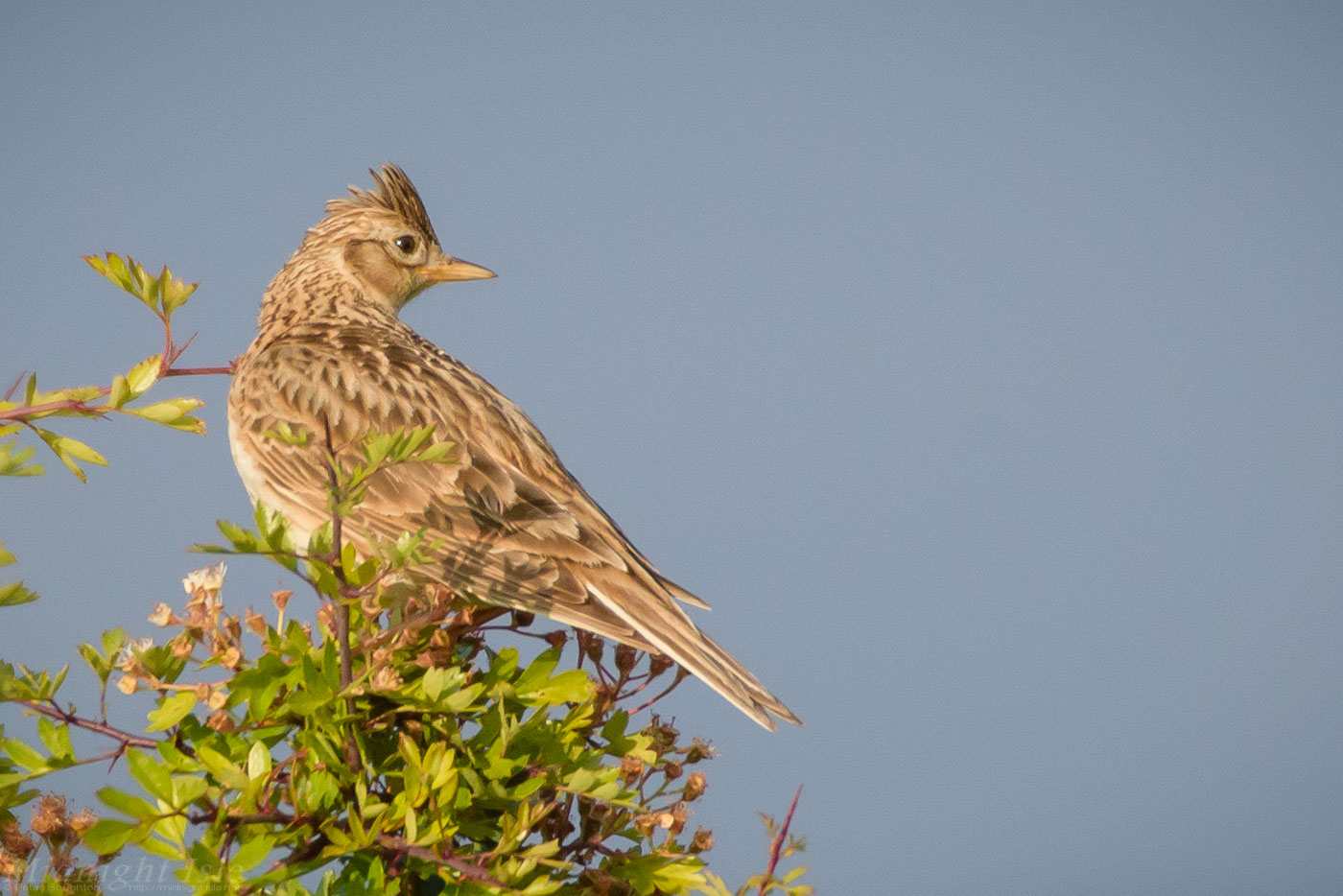
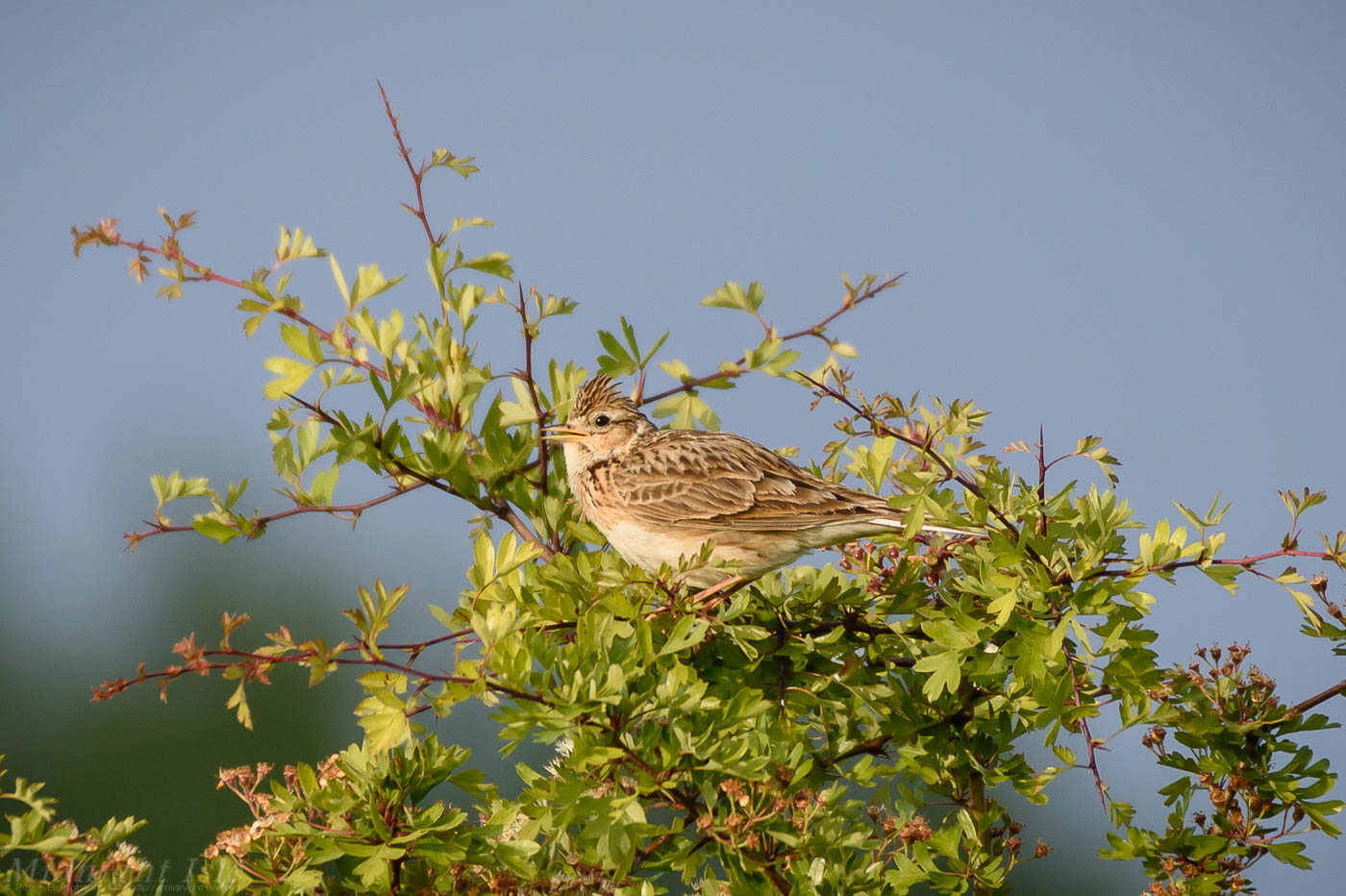
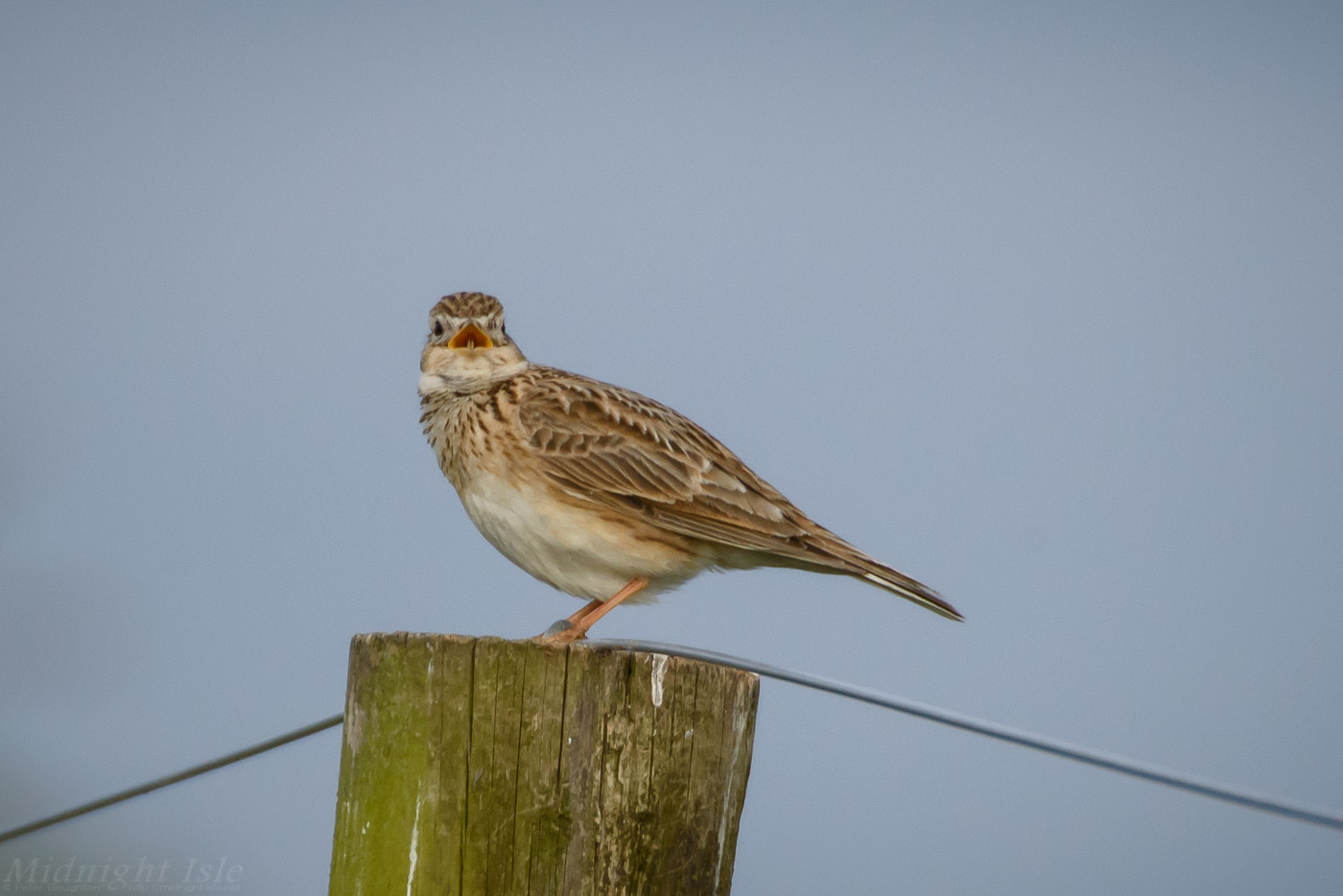
Half a dozen skylarks, taken across a few different days.
Not always easy to spot (unless perched on a post), but relatively patient subjects,
so I figured I'd try using a 1.4x teleconverter on the second visit, requiring manual focus and thus a tripod.
Whilst the birds seemed content to wait around whilst I setup, it was windy enough that focusing was frustrating. I don't know to what degree poor technique/equipment/conditions/luck affected matters, but ultimately the effort involved did not translate to better images, confirming my previous view that the teleconverter isn't worth it.
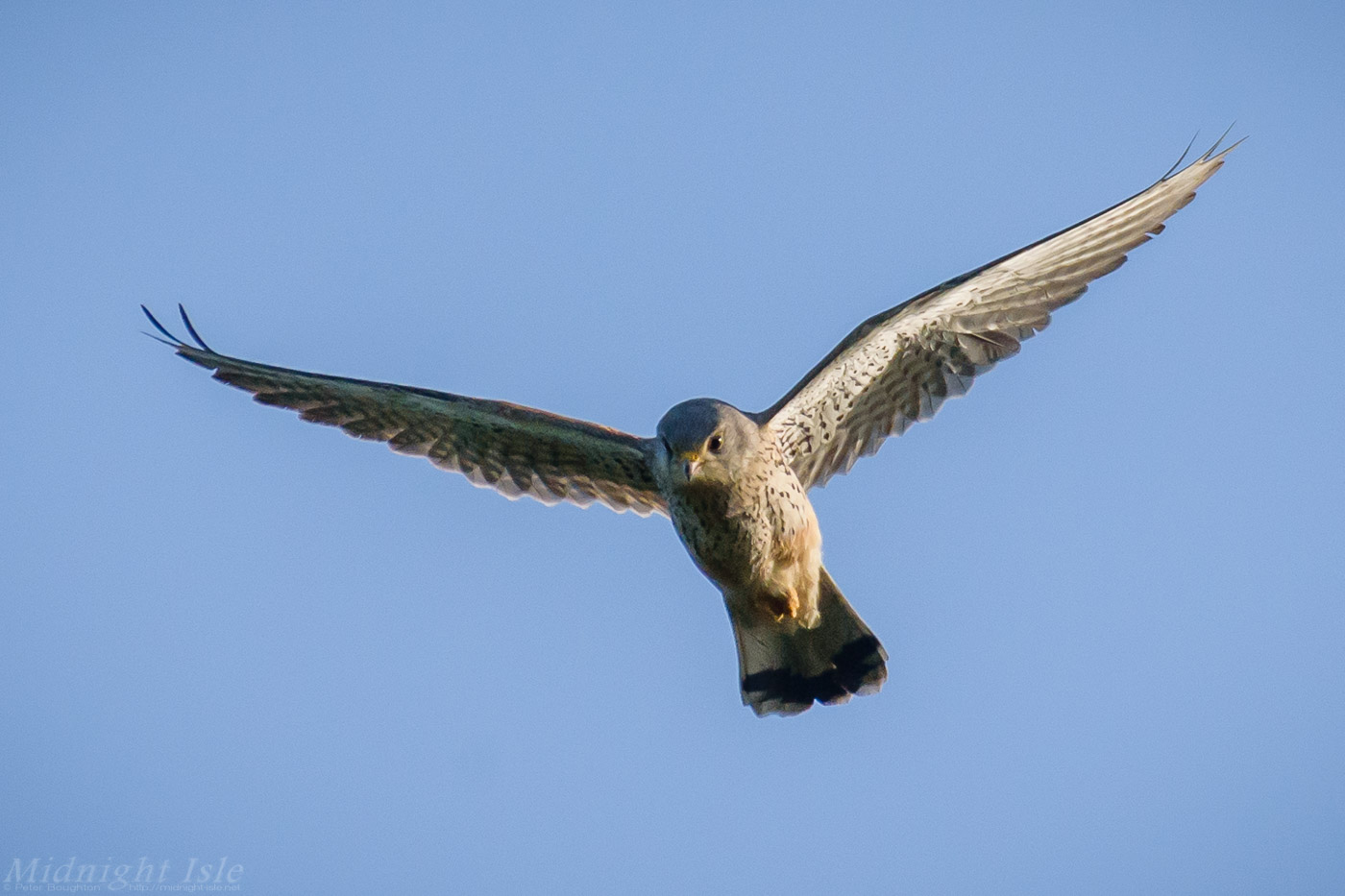
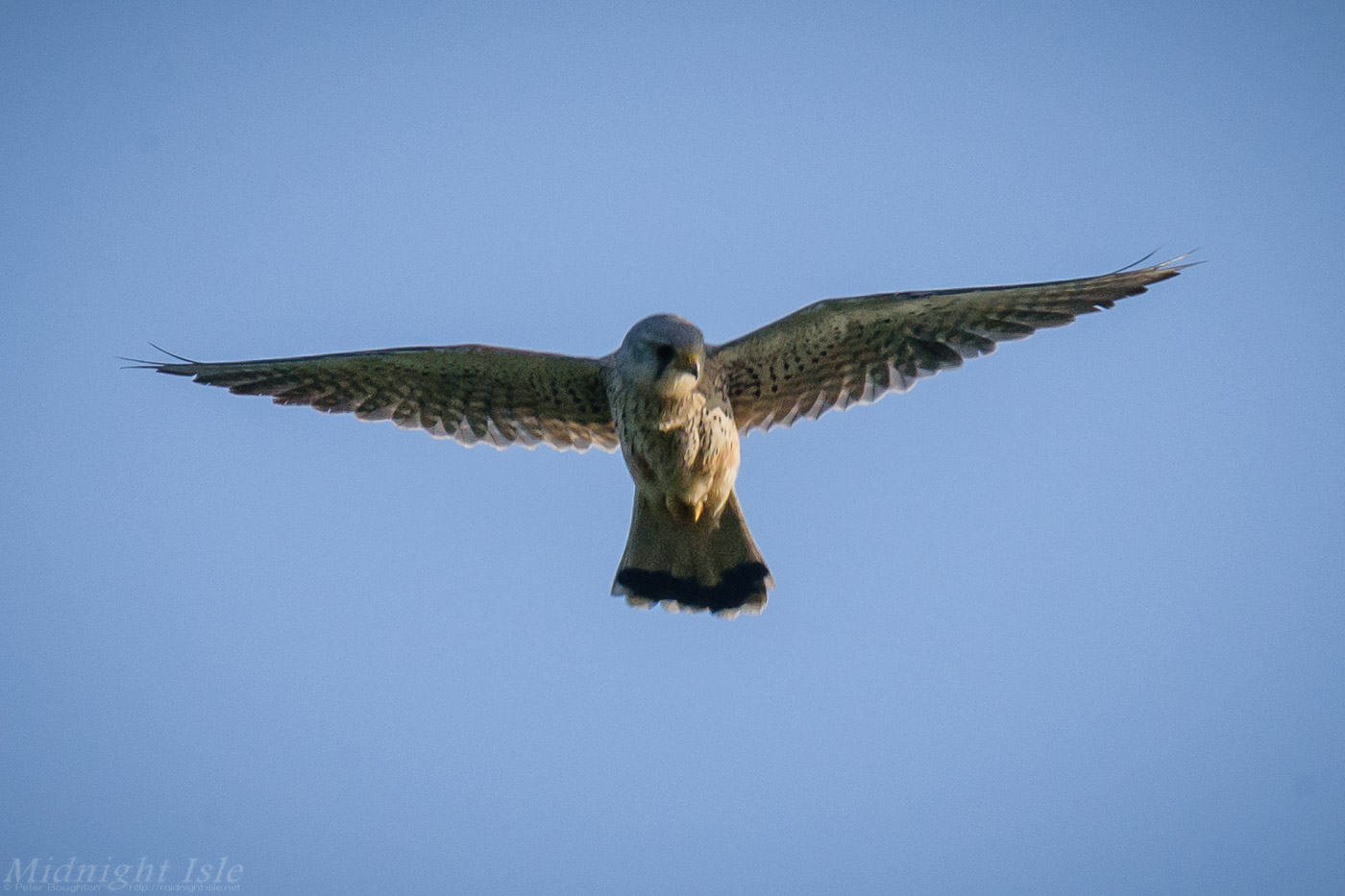
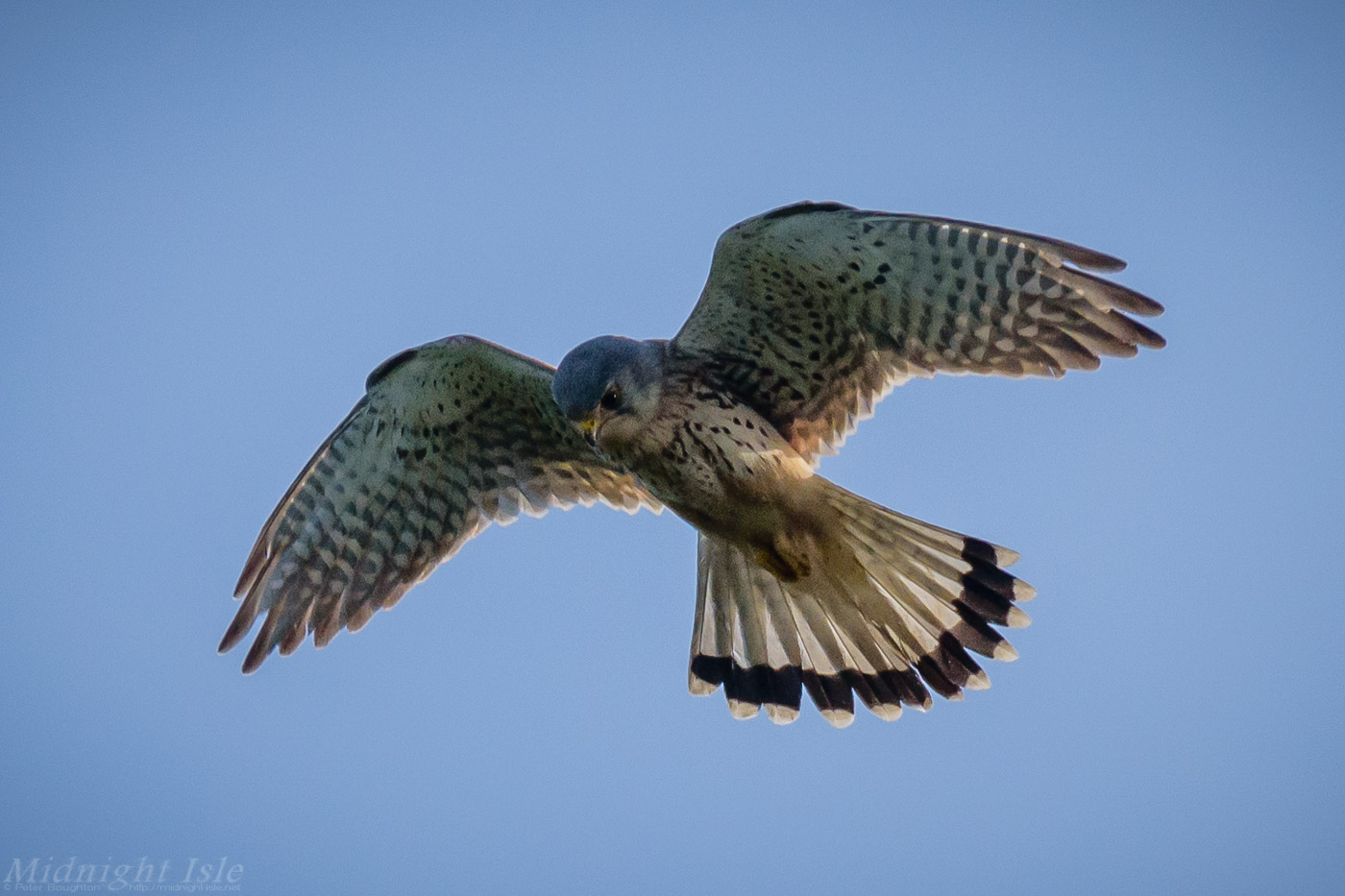
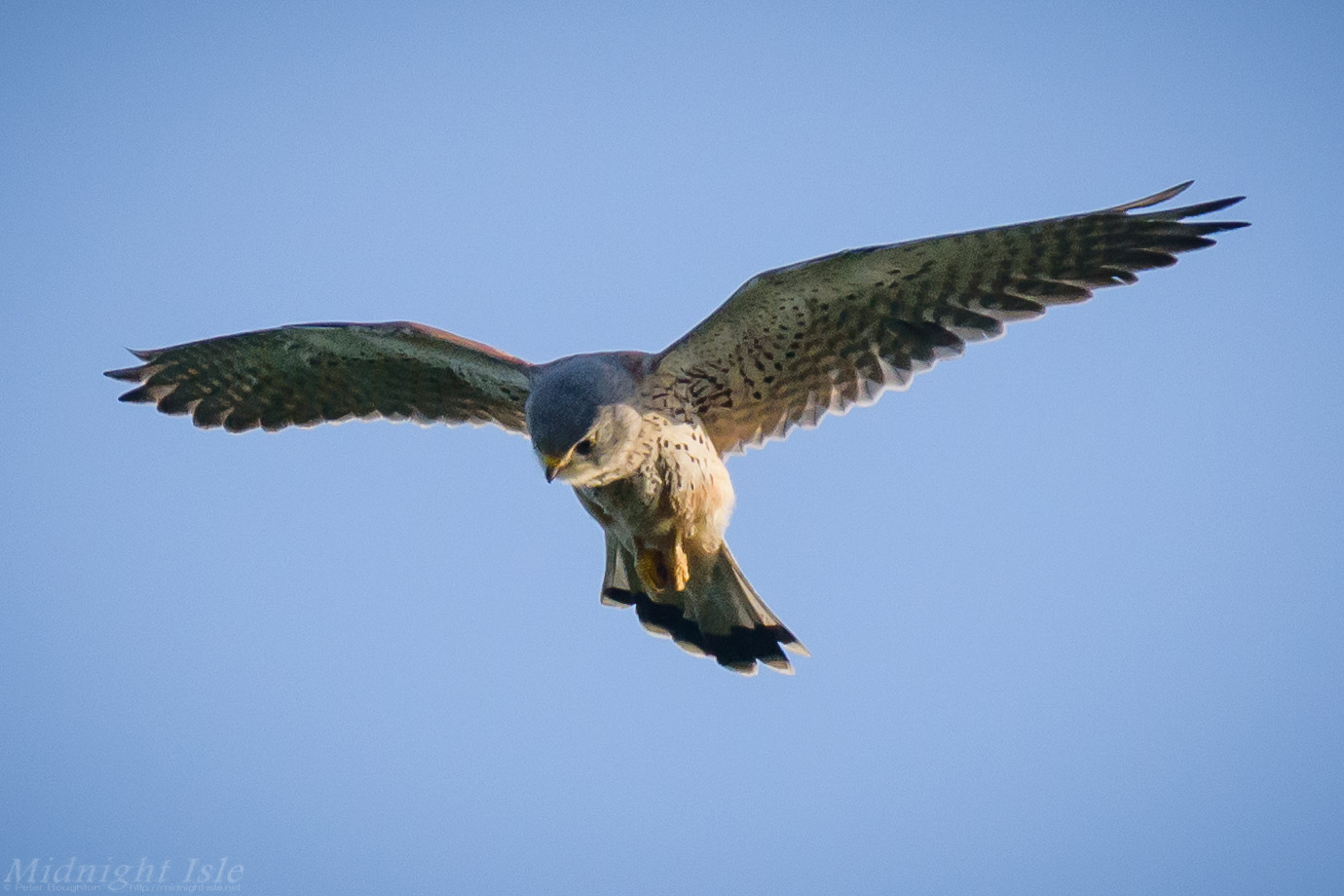
A male kestrel encountered on my first visit to a local nature reserve.
Image quality isn't the best - I'm a little rusty, so hadn't set the camera to the right settings and my 500mm lens didn't
quite have enough reach - but I'm still reasonably happy...
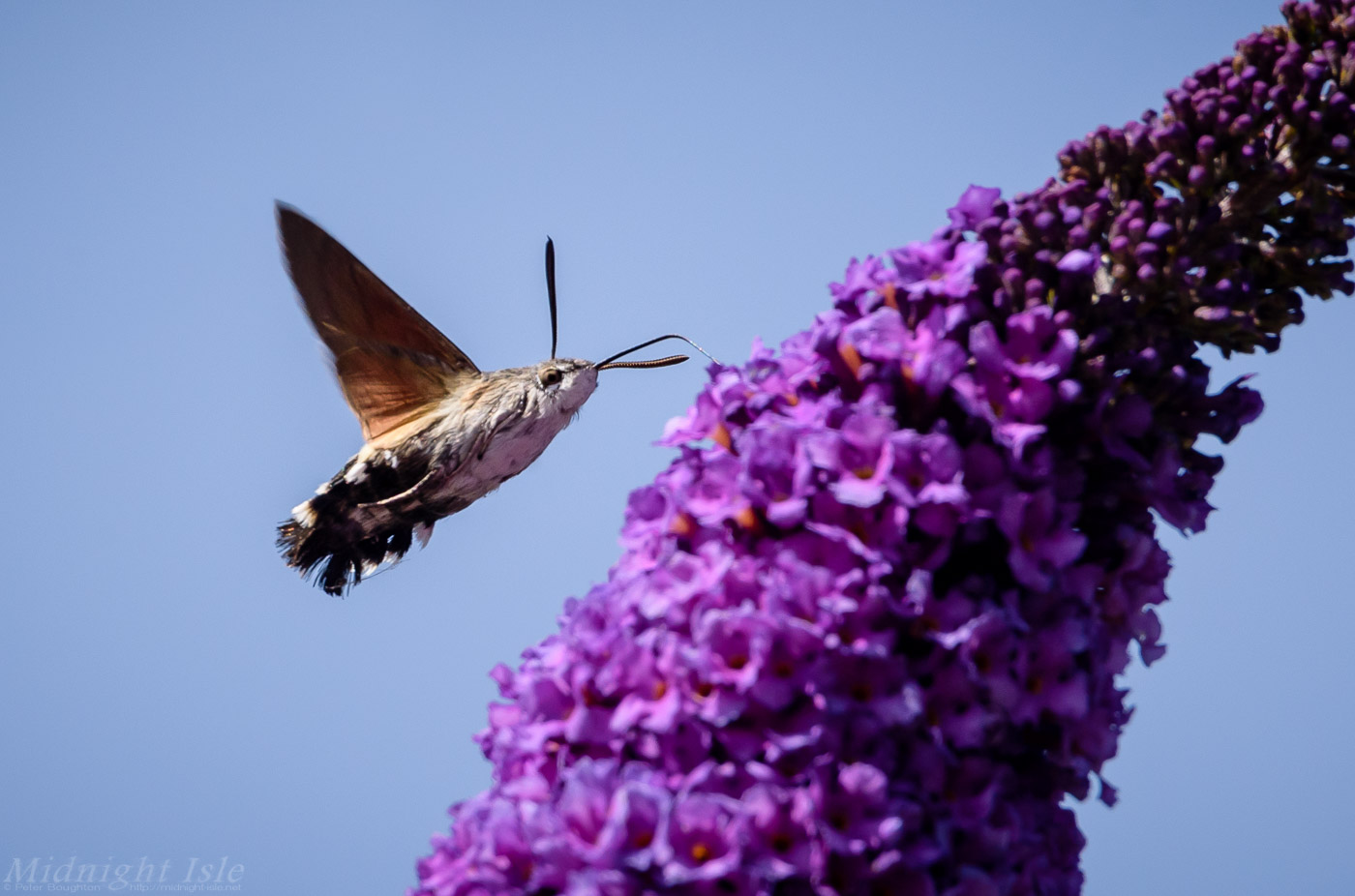
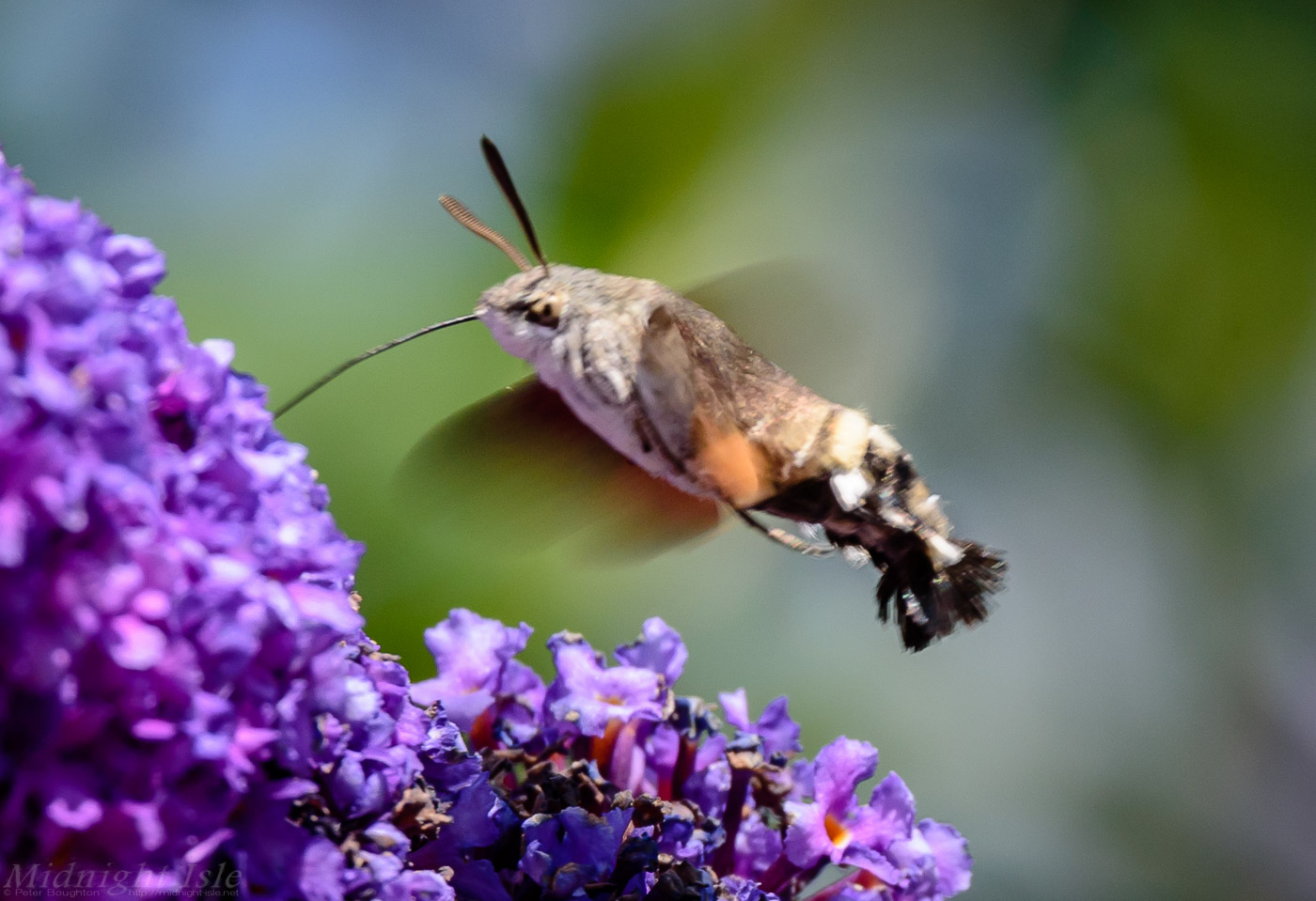
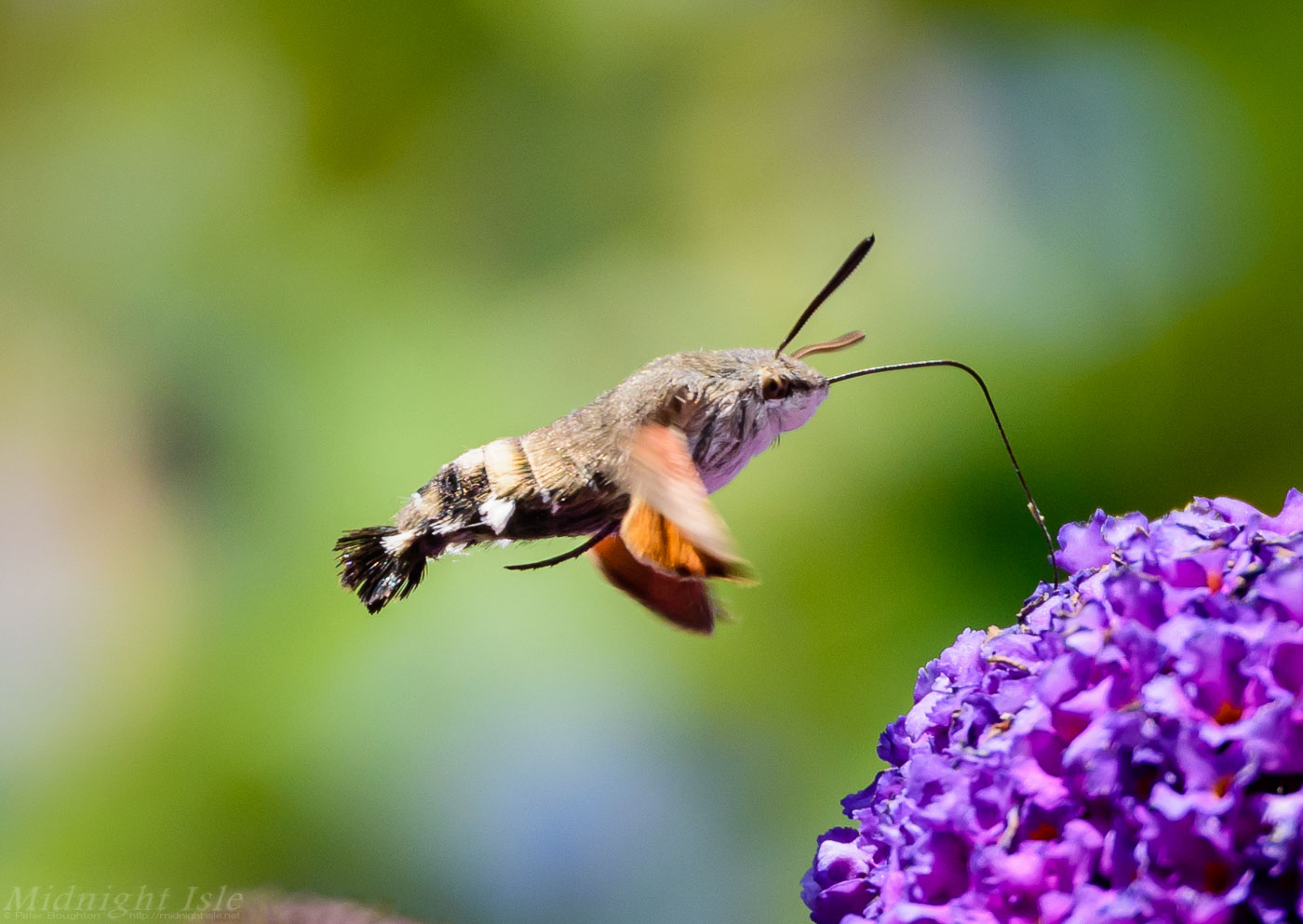
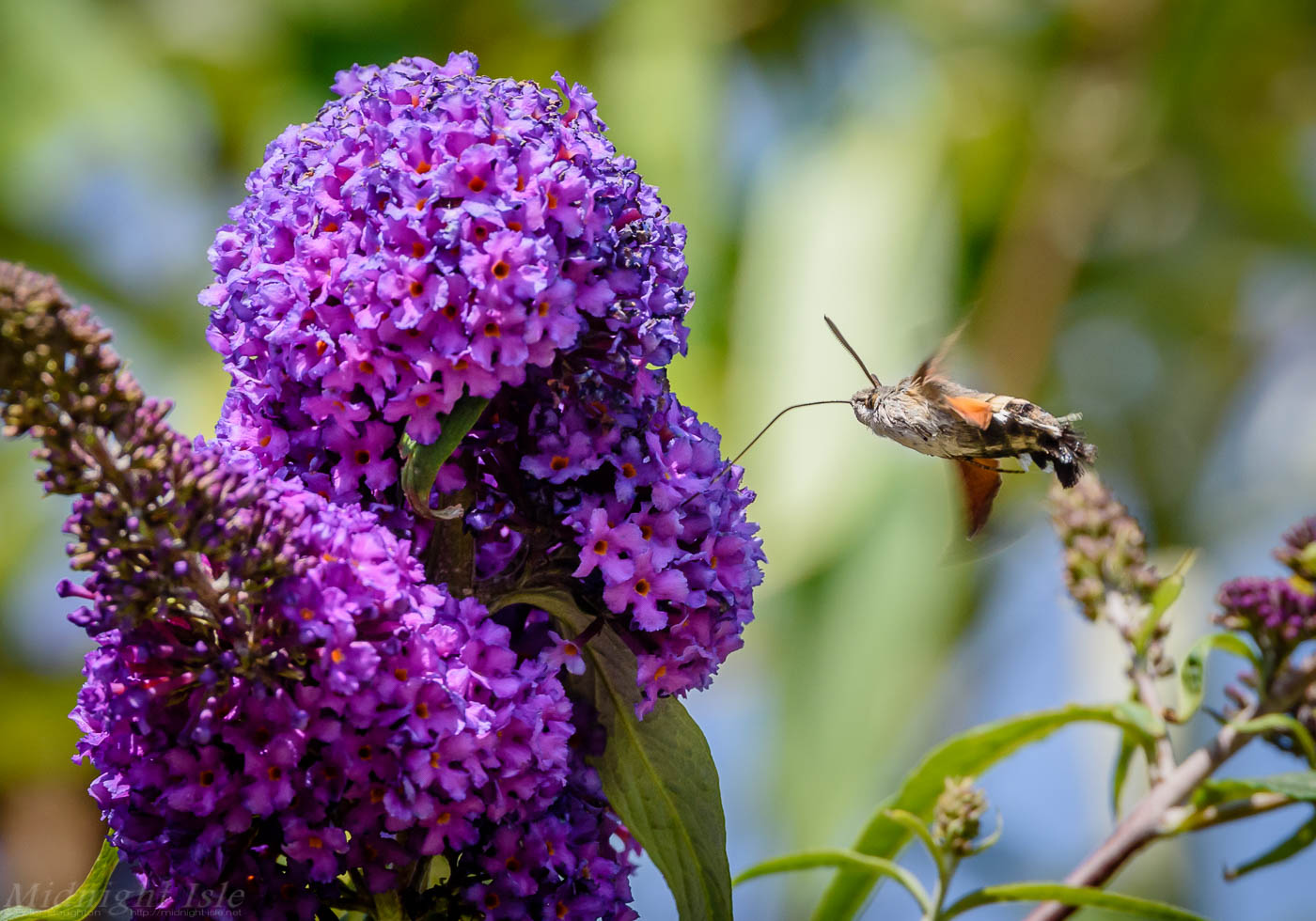
The Hummingbird Hawk Moth (Macroglossum stellatarum), named due to the way it
hovers like a hummingbird whilst feeding, and often mistaken for one. (Though
the moths are smaller, and wild hummingbirds are not found outside the Americas.)
A complicated subject to shoot: avoiding the wings being too sharp, too blurred,
or obscuring the face requires both an appropriate shutter speed and the luck of
timing the release to a suitable point in the flapping of the wings.
Combined with the need to manouever around obstacles in an effort to avoid
distracting backgrounds, and continually needing to re-focus as the moth
erratically darts around (with no obvious method to how it chooses where next
to suck nectar from), it wasn't the easiest Lepidoptera to photograph.
These four images were selected from a total of fifteen shots, with shutter speeds between 1/400 and 1/1250.
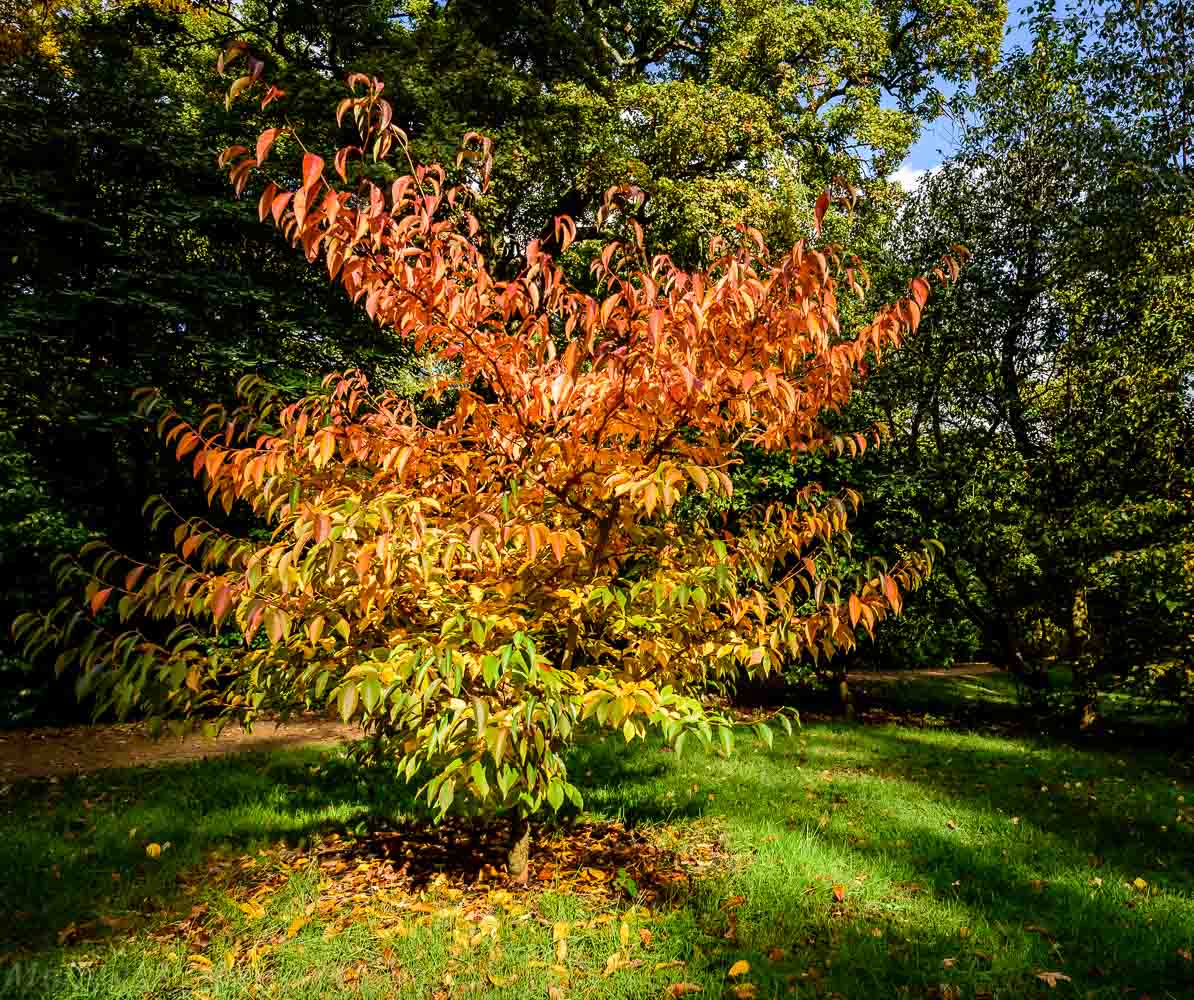
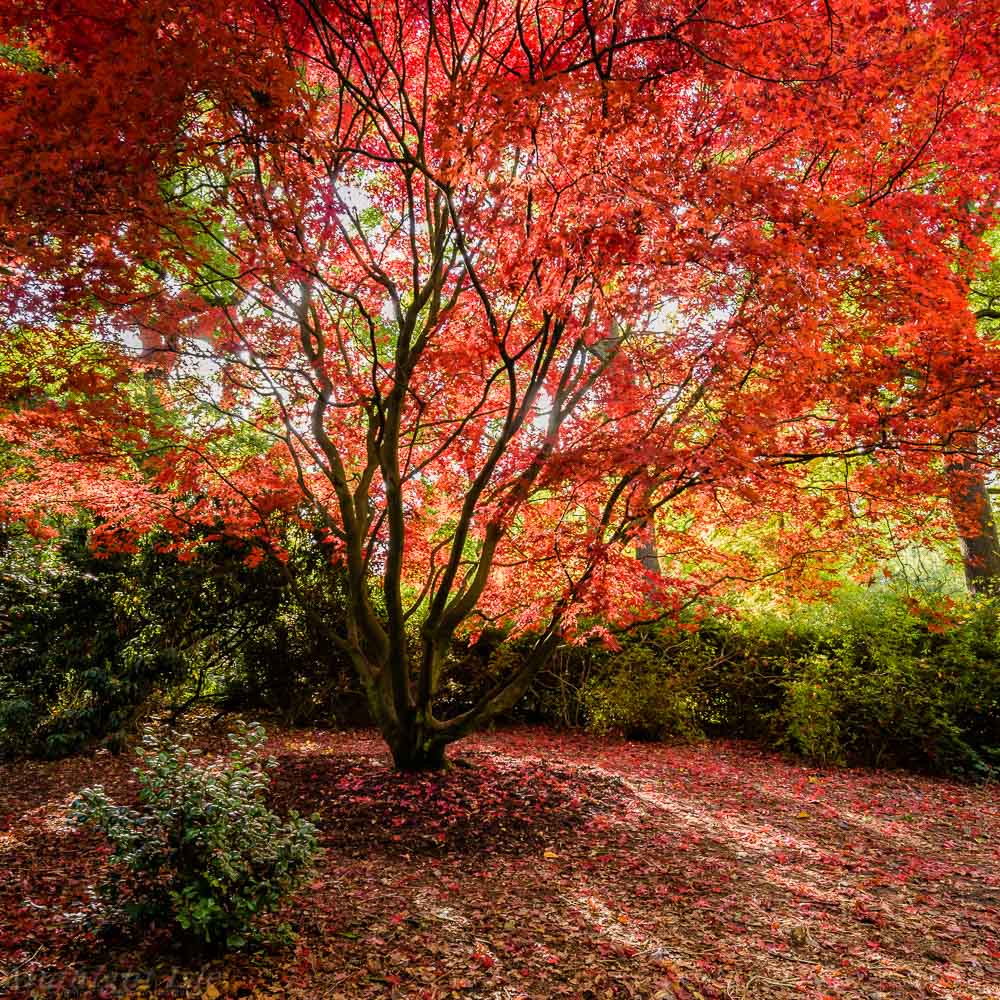
A couple of very striking trees, each presenting different photographic challenges.
For the first, an Autumn Cherry (Prunus subhirtella 'Autumnalis'), the key was finding an angle where the background best complemented its colours, with helpful shadows contributing to emphasise the leaves.
(I would have preferred not having the path in frame, but it is hopefully not too much of a distraction.)
With the larger Japanese Maple (Acer palmatum) the consideration was what to keep in frame whilst dealing with the awkwardness of shooting into the light. There was too much movement in the subject for a bracketed exposure, and I settled for a shot with better composition at the expense of the highlights.
I look forward to returning for another attempt at this image at some point in the future.
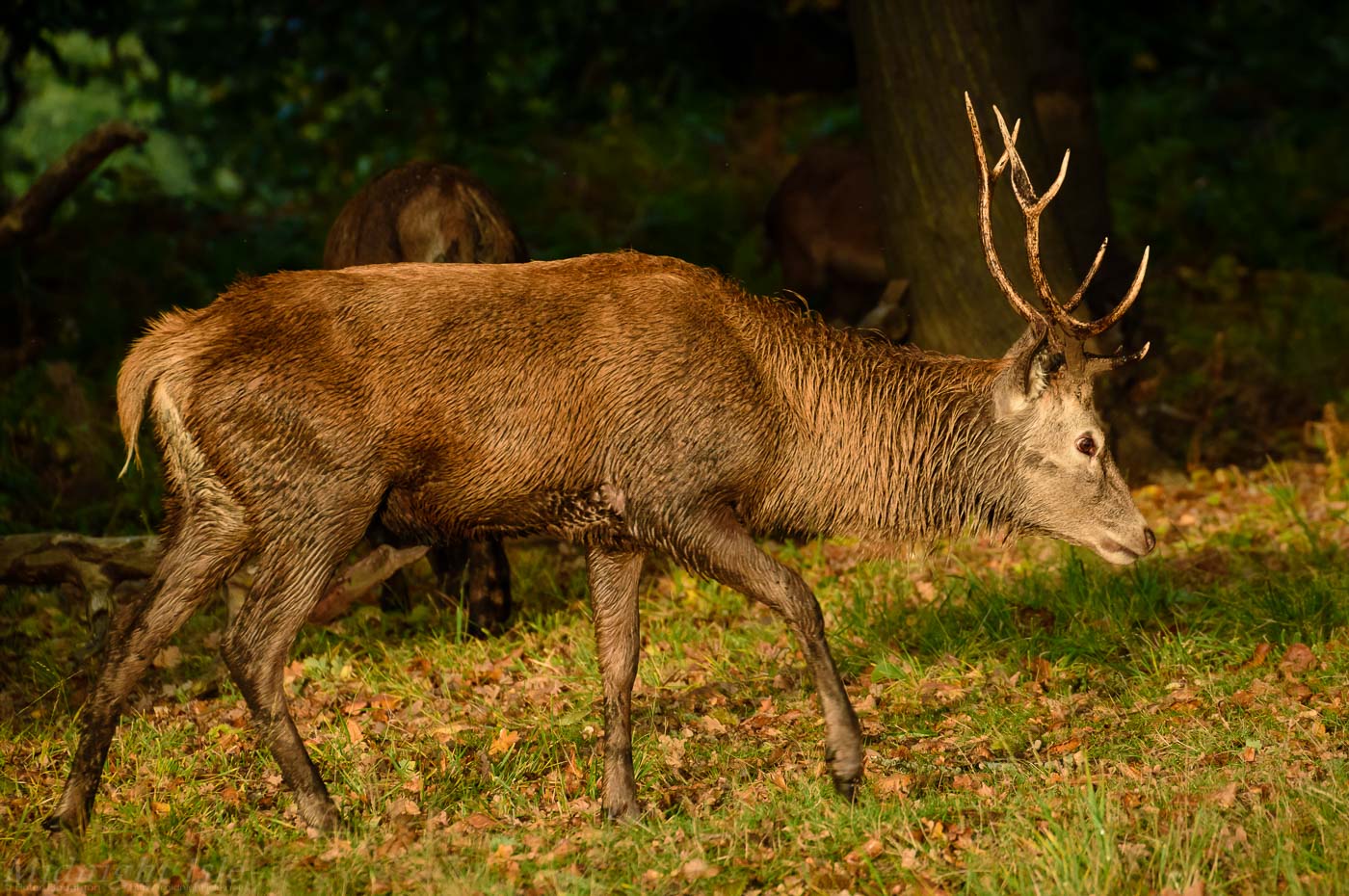
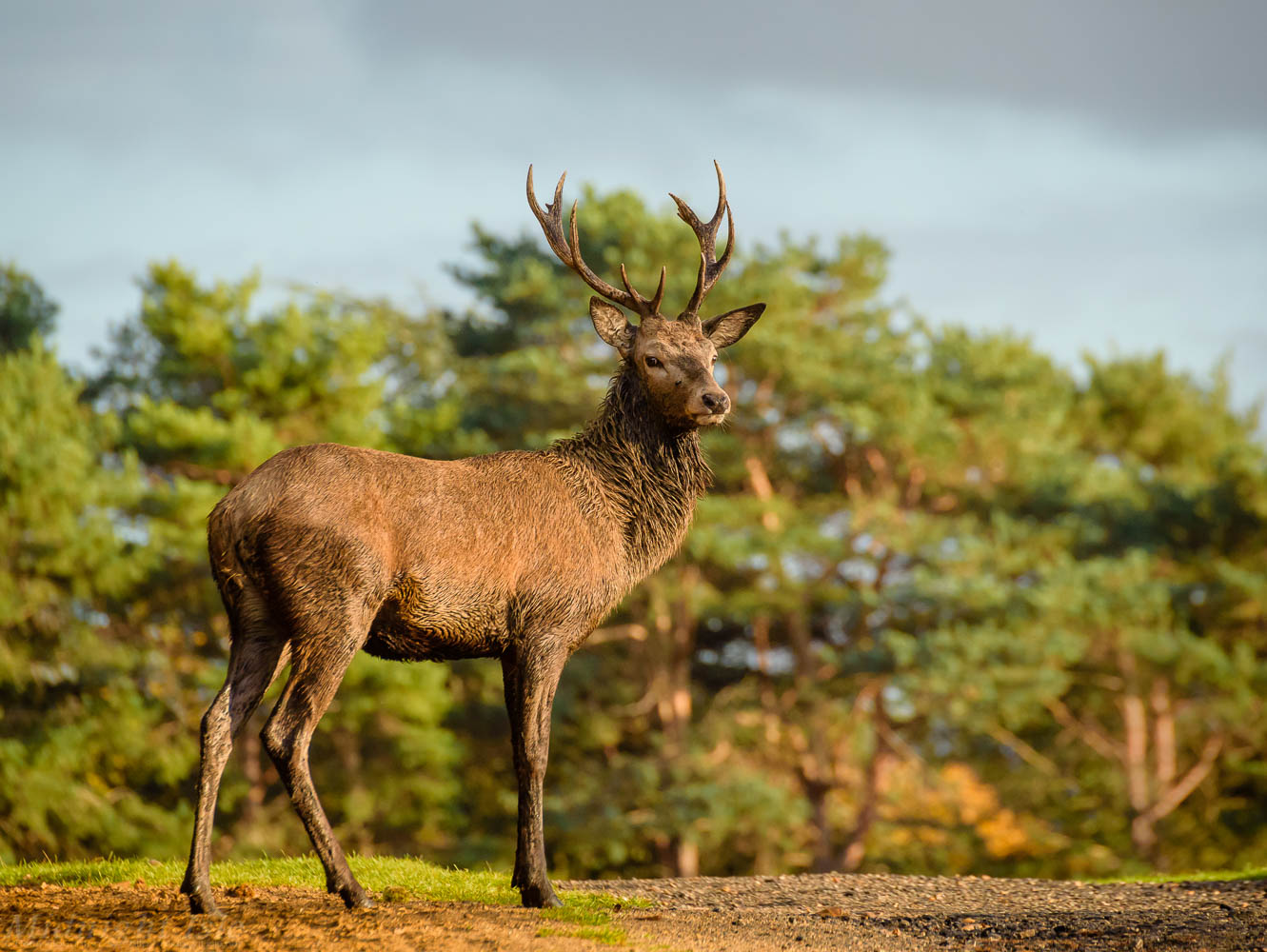
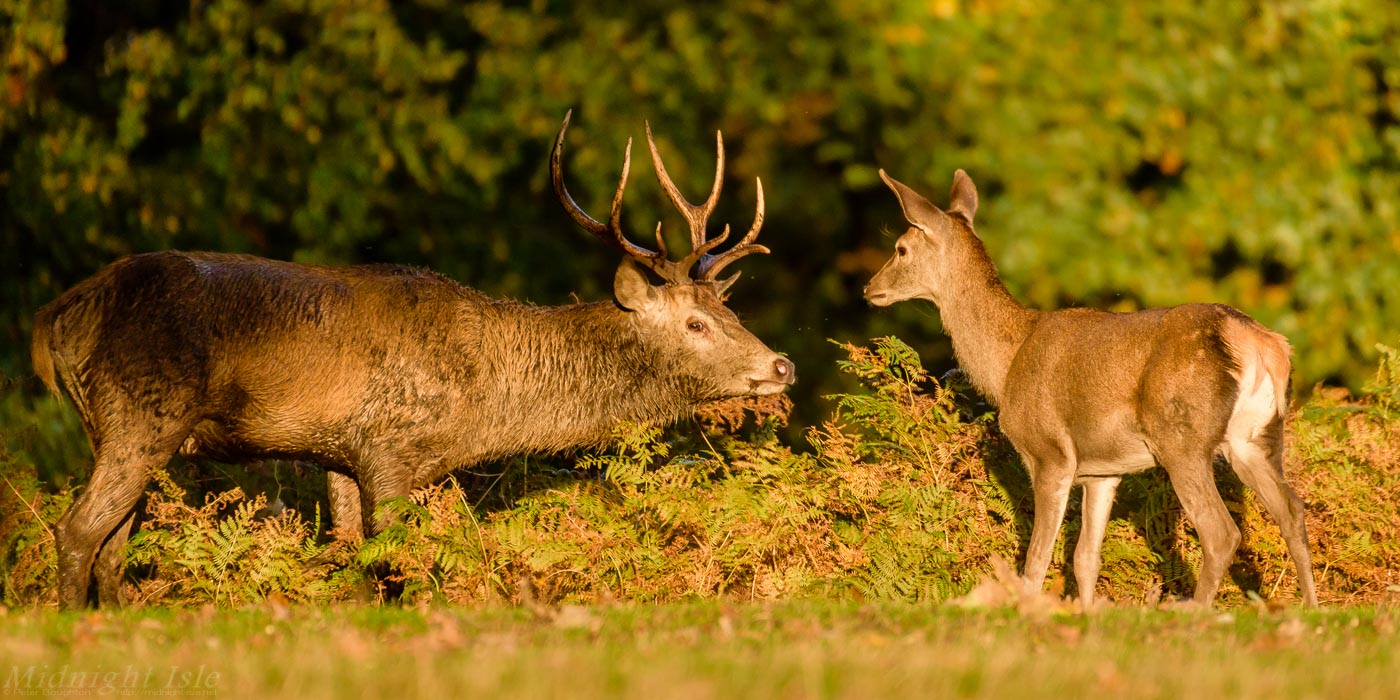
A heavy downpour had passed through during the afternoon of an otherwise dry day
of photography - enough to shelter under a tree and put the camera away,
assuming the end of the shoot - but, after the rain stopped the clouds
also cleared, and it wasn't long before the sun was shining again. A short
while later I encounter these deer. Having no desire to spook them (nor
experience their antlers), the telephoto goes on and I get a bunch of shots.